
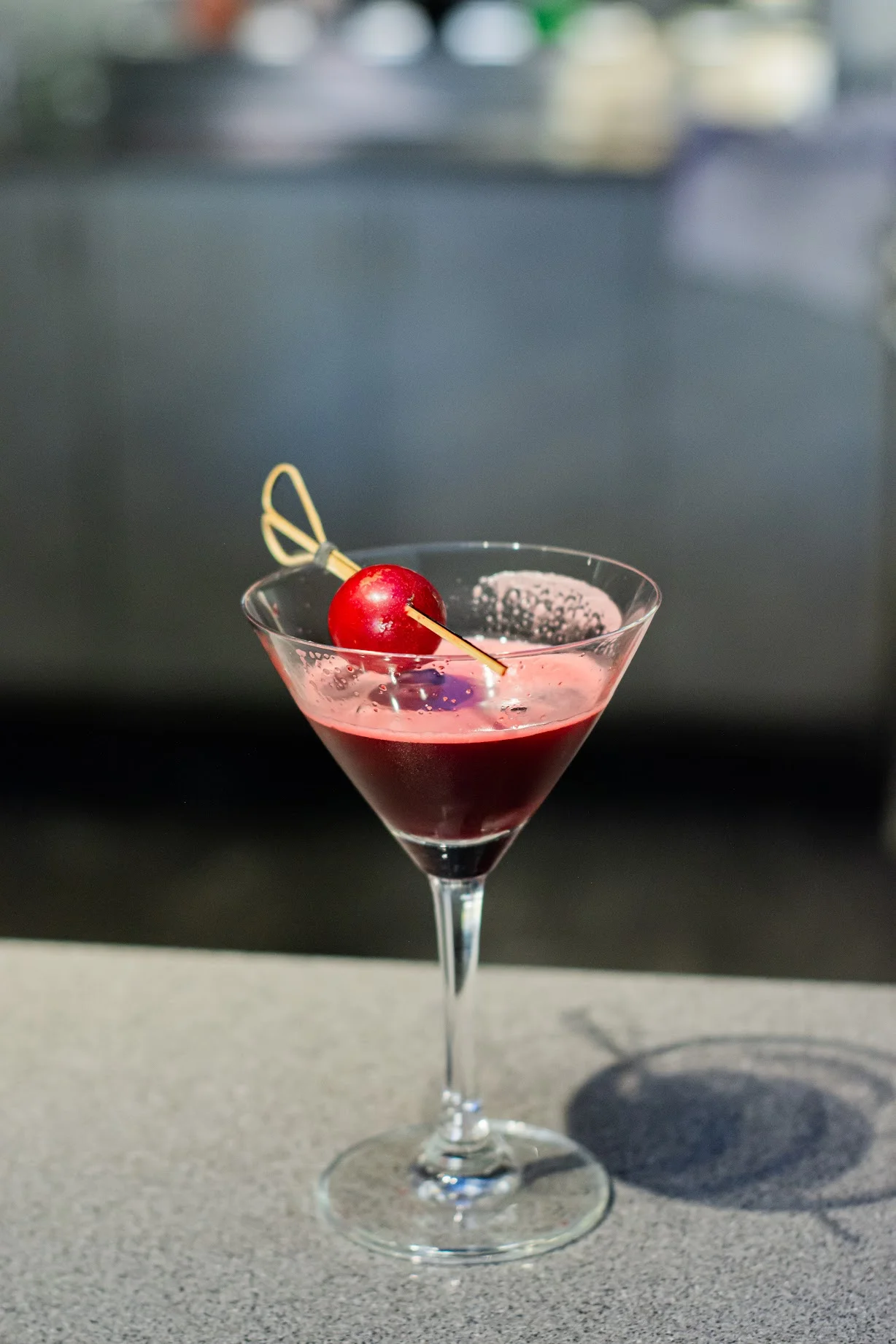


Walk into any well-run cafe, hotel lobby, or restaurant bar in Kathmandu today and you will find a section on the menu dedicated to mocktails. A decade ago, that section barely existed. Today it is one of the fastest-growing beverage categories in Nepal’s hospitality industry and globally. Understanding what a mocktail drink is, the full range of mocktail names, and which glass each drink is served in is foundational knowledge for anyone entering the bar and beverage industry.
Whether you are a curious cafe visitor, a student preparing for a bartending course, or a hospitality professional building a non-alcoholic drinks menu, this guide covers everything you need to know.
What Is a Mocktail Drink?
A mocktail drink is a non-alcoholic beverage crafted using the same bartending techniques, presentation standards, and flavor-layering principles as a cocktail but without any spirits, wine, or liquor. The word itself is a portmanteau of mock (meaning imitation) and cocktail.
The key distinction is intent: a mocktail is not simply a fruit juice or a soda. It is a deliberately constructed drink with multiple components such as a base (juice, shrub, or infusion), a modifier (syrup, puree, or botanical), and a finishing element (soda, tonic, or garnish) that delivers complexity and visual appeal without alcohol.
In professional bar settings, mocktails are treated with the same seriousness as cocktails. They require technique, balance, and presentation. A bartender who can produce a well-made mocktail is demonstrating real craft not just pouring juice into a glass.
Why Mocktails Matter in Nepal’s Bar Industry: The non-alcoholic beverage segment is growing rapidly across Kathmandu’s cafe and hotel sector. Guests who do not drink alcohol for health, religious, pregnancy, or personal reasons still expect a sophisticated, enjoyable drink experience. Training in mocktail preparation is now a core component of professional bartending programmes.
Complete Mocktail Names List: 30 Classic & Popular Mocktails
Here is a comprehensive mocktail list covering the most widely served and recognized mocktail names in professional beverage programmes, hotel menus, and speciality bars:
Classic Mocktail Names (Foundation Drinks Every Bartender Should Know)
| Mocktail Name | Base Flavor | Key Ingredients |
| Virgin Mojito | Mint & Lime | Lime, mint, sugar, soda |
| Shirley Temple | Sweet & Citrus | Ginger ale, grenadine, orange juice |
| Arnold Palmer | Tea & Citrus | Iced tea, lemonade |
| Roy Rogers | Cola & Cherry | Cola, grenadine, cherry garnish |
| Virgin Mary | Savory & spiced | Tomato juice, Worcestershire, hot sauce, lemon |
| Cinderella | Tropical | Orange, pineapple, lemon, ginger ale |
| Virgin Pina Colada | Tropical Cream | Pineapple juice, coconut cream, crushed ice |
| Mojito | Mint & Citrus | Mint, lime, soda — dry style mojito |
| Barley Water | Subtle & Refreshing | Barley, lemon, sugar syrup |
| Cucumber Cooler | Fresh & Light | Cucumber, mint, lime, tonic water |
Modern & Specialty Mocktail Names
| Mocktail Name | Style | Flavour Profile |
| Sparkling Elderflower Lemonade | Floral | Delicate, citrus, effervescent |
| Mango Lassi Mocktail | Creamy / South Asian | Mango, yoghurt, cardamom |
| Watermelon Aqua Fresca | Fresh / Seasonal | Watermelon, lime, mint |
| Blue Lagoon (N/A) | Visual / Tropical | Blue curacao syrup, lemonade, pineapple |
| Ginger Beer Mule | Spiced | Ginger beer, lime, mint — copper mug serve |
| Hibiscus Spritz | Floral / Tart | Hibiscus tea, soda, lemon, honey |
| Passion Fruit Fizz | Tropical | Passion fruit, sugar syrup, soda, lime |
| Lychee Mint Cooler | Light & Aromatic | Lychee juice, mint, lemon, tonic |
| Spiced Apple Cider | Warming / Seasonal | Apple juice, cinnamon, clove, star anise |
| Turmeric Tonic | Wellness | Turmeric, ginger, honey, tonic water |
Nepal-Inspired Mocktail Names (Menu Ideas for Local Cafés)
- Himalayan Cooler: Lemon, ginger, honey, Himalayan salt rim, soda
- Everest Sunrise: Passion fruit, mango, grenadine — layered presentation
- Nepali Lemonade: Fresh lime, ginger ale, mint, local honey
- Pokhara Blue: Blue pea flower tea, lemon, honey, sparkling water
- Chitwan Spice: Apple, cardamom, cinnamon, ginger beer
- Thamel Twilight: Hibiscus, elderflower, lime, soda — signature cafe drink
Training Tip: At Lavie Learning Academy bartending programme, students learn to build, name, and present original mocktails alongside classic cocktails. Creating a house mocktail menu is a core practical skill for anyone managing a cafe or bar in Nepal.
Mocktail Glass Guide: Which Glass for Which Drink?
A mocktail served in the wrong glass loses 30% of its presentation impact immediately. Glassware is not a minor detail; it is part of the drink’s identity. Here is a complete mocktail glass guide:
| Glass Type | Volume | Best For | Mocktail Examples |
| Highball Glass | 240–350ml | Tall, refreshing builds | Virgin Mojito, Shirley Temple |
| Rocks / Old Fashioned | 180–300ml | Short, spirit-style serves | Spiced Apple Cider, Ginger Mule |
| Martini / Coupe | 120–240ml | Elegant, stirred / shaken | Cucumber Cooler, Hibiscus Spritz |
| Hurricane Glass | 400–600ml | Tropical, layered visuals | Virgin Pina Colada, Blue Lagoon |
| Collins Glass | 300–410ml | Fizzy long drinks | Arnold Palmer, Passion Fruit Fizz |
| Copper Mug | 350–500ml | Ginger mule serves | Ginger Beer Mule, Himalayan Cooler |
| Wine Glass | 240–350ml | Spritz & floral styles | Elderflower Lemonade, Hibiscus Spritz |
| Mason Jar | 350–500ml | Casual, rustic presentation | Lemonade, Watermelon Fresca |
Choosing the right glass is taught in every professional bartending programme — it is not aesthetic preference; it is industry standard. A mocktail that looks beautiful in the right glass commands a higher menu price and delivers a better customer experience.
How to Make a Mocktail: The 4-Component Framework
Every well-made mocktail follows the same structural logic as a cocktail, built from four components:
- Base: The dominant flavor typically a juice (citrus, tropical, berry), a tea, or an infused water.
- Modifier: A supporting element that adds complexity like simple syrup, honey, flavored puree, shrub, or botanical extract.
- Lengthener: Adds volume and effervescence — soda water, tonic, ginger beer, or sparkling juice.
- Garnish: The finishing visual and aromatic element — citrus wheel, fresh herbs, edible flowers, or spiced rim.
A mojito’s framework: lime juice (base) + mint simple syrup (modifier) + soda (lengthener) + fresh mint sprig and lime wedge (garnish). The non-alcoholic version replaces rum with a zero-ABV spirit or simply relies on the other three components and it still works because the framework is sound.
Frequently Asked Questions — Mocktail Drinks
Q: Is mocktail the same as a soft drink?
No, A soft drink is a manufactured carbonated beverage (cola, lemonade, etc.) served as-is. A mocktail is freshly constructed using bar technique like shaking, muddling, layering from individual components. The craft and complexity are completely different.
Q: Can children drink mocktails?
Yes, Mocktails contain no alcohol and are appropriate for all ages. Many mocktail menus at family restaurants and resorts are specifically designed to give younger guests a sophisticated, visually appealing drink experience.
Q: What is the most popular mocktail in Nepal?
The Virgin Mojito and various fresh lime soda variations remain the most consistently ordered non-alcoholic bar drinks across Kathmandu’s cafés and hotel bars. Mango-based mocktails also perform very strongly during summer months.
Q: Do mocktails require the same equipment as cocktails?
Yes, shaker, strainer, muddler, bar spoon, jigger, and appropriate glassware are all used in professional mocktail preparation. This is why mocktail training is included in full bartending programmes, not taught separately.